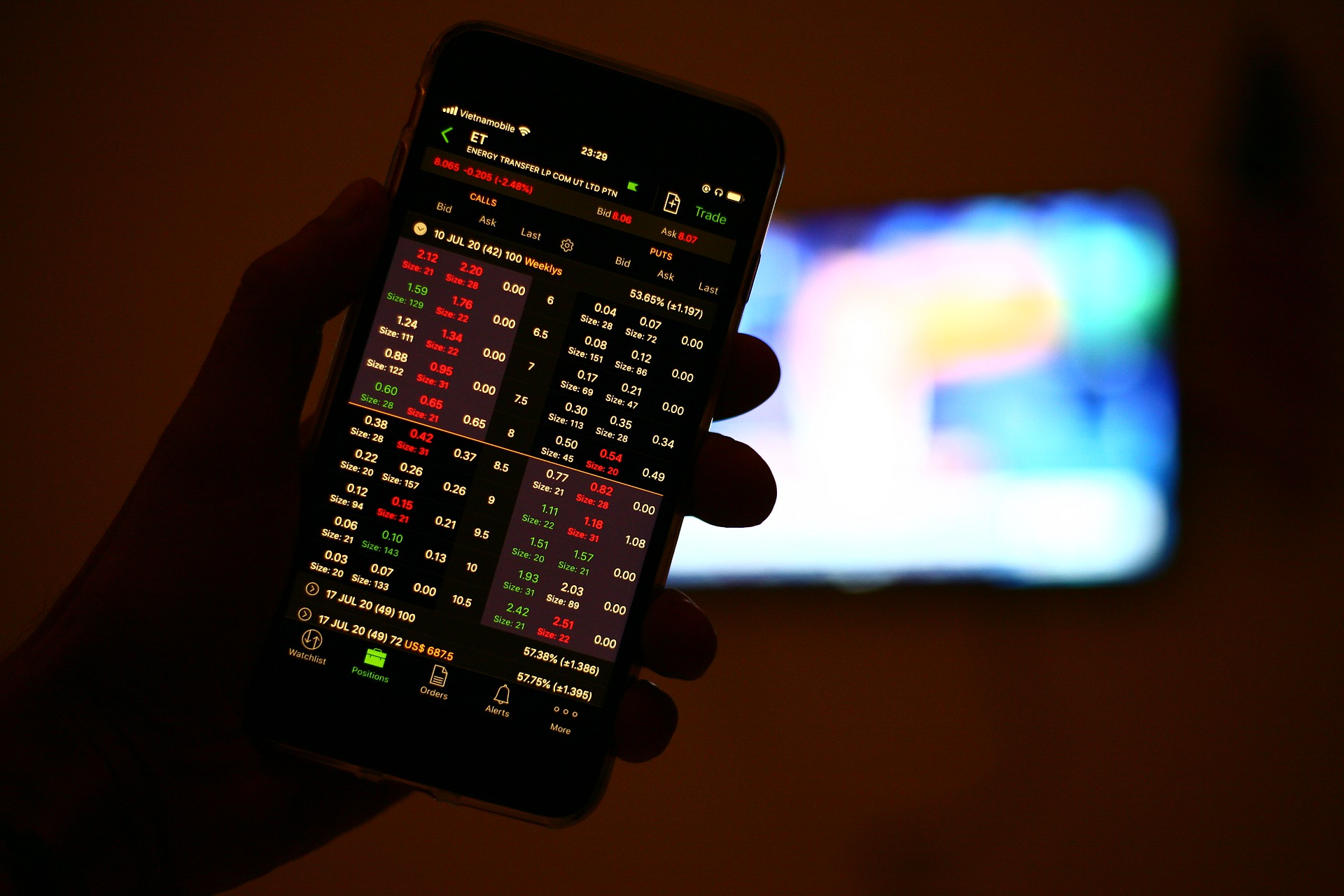


Most stock traders watch charts, study fundamentals, and track news religiously. But very few ask the question that actually moves markets behind the scenes: Does option trading affect stock price, or is it the other way around?
The Indian derivative market is now one of the largest in the entire world. Billions of dollars flow through options contracts every single day before expiry.
Somewhere in that massive flow, stock prices are being pushed, pulled, and pinned to specific levels. The players doing this are not retail traders sitting at home.
In this blog, we will uncover whether the options affect the stock price you see on your screen or not.
Do Options Affect Stock Price?
To understand how a derivative contract (which is just a piece of paper) can change the price of a multi-billion dollar company, we must look at the “Market Makers.”
Market makers are large institutions or high-frequency trading firms that provide liquidity. When you want to buy a Call option, the market maker is usually the one selling it to you.
However, the market maker does not want to take a directional bet. They want to remain “Delta Neutral.”
Delta Hedging is the bridge between options and stocks. If a market maker sells you a Call option, they are technically “Short” on that stock. If the stock price rises, they lose money.
To protect themselves, the market maker immediately goes to the cash market and buy the actual shares of the stock.
When millions of traders buy options simultaneously, market makers are forced to buy or sell millions of shares in the cash market to hedge their risk.
This massive institutional buying and selling, triggered solely by option activity, directly moves the stock price.
This is why a stock often moves toward a specific “Strike Price” as expiry approaches, a phenomenon known as “Pinning.”
Does Option Buying Affect Stock Price?
When retail and institutional traders aggressively buy options, it creates a “feedback loop” that can lead to explosive price moves.
Learning how to do option trading involves understanding these mechanics, as the sudden surge in buying volume is what forces market makers into the hedging cycles described below.
1. The Gamma Squeeze
If there is a massive buying of Call Options, market makers find themselves in a position where they have sold a huge number of calls.
As the stock price starts to rise, the “Delta” of those options increases.
To stay hedged, market makers must buy more and more of the underlying stock. This buying pushes the stock price even higher, which forces the market makers to buy even more shares.
This is called a Gamma Squeeze. It can turn a normal 2% rally into a 10% vertical spike in a single day.
2. Put Buying and Downward Pressure
Conversely, when there is panic in the market, and everyone starts buying Put Options, market makers are the ones selling those puts.
To hedge their “Long” exposure from selling puts, they must short-sell the actual stock in the cash market.
This aggressive selling by institutions to hedge their put exposure can accelerate a market crash, making a bad situation much worse.
Does Option Selling Affect Stock Price?
Option selling (also known as writing) is usually the playground of big “Smart Money” players.
This is because high option trading margin requirements act as a natural barrier, ensuring only well-capitalized institutions can afford to drive these moves.
Their massive capital allows them to defend specific strike prices with conviction.
Essentially, how option selling works is that these players collect premiums from buyers to take on the obligation of the contract. Their activity often creates “ceilings” and “floors” for a stock.
Their massive capital allows them to defend specific strike prices with conviction, effectively creating “ceilings” and “floors” for a stock.
Their activity often creates “ceilings” and “floors” for a stock.
1. Call Writing as Resistance
When you see a huge “Open Interest” (OI) at a particular Call strike price (e.g., Nifty 25,000), it means big players have sold those calls.
They are betting that the market will not go above that level. Because these sellers have massive capital, they will defend that level.
If the stock price approaches that strike, these sellers might sell the actual stock in the cash market to prevent a breakout.
This is why the “Highest Call OI” strike often acts as a massive psychological and technical resistance.
2. Put Writing as Support
Similarly, big institutions often write Put Options at levels where they believe the stock is undervalued.
By selling puts, they are essentially saying, “I am willing to buy the stock at this price.” This creates a “Put Wall.”
If the stock price falls toward this level, the market makers (who are long on the stock to hedge their put selling) provide a cushion, preventing the price from falling further.
This is why “Highest Put OI” acts as the strongest support zone in the Indian market.
How Futures and Options Affect Stock Prices?
Futures and options do not just follow stock prices; they actively shape them.
Understanding this relationship gives every trader a serious edge in the market.
1. Futures Create Immediate Price Pressure: Large futures positions force direct buying or selling in the cash market. A sudden buildup of long futures contracts pulls the stock price upward almost instantly.
2. Rollover Activity Signals Market Direction: When traders roll over futures positions from one expiry to the next, it reveals their true market bias. Aggressive long rollovers often push stocks higher before expiry.
3. Options Force Market Makers to Hedge: Every option sold by a market maker requires them to hedge using actual shares. This constant hedging activity adds real buying or selling pressure on the stock.
4. Heavy Call Writing Caps the Upside: When institutions write calls at a specific strike, they actively defend that level. They sell stock in the cash market to prevent prices from crossing that point.
5. Put Writing Creates a Price Floor: Big players selling puts are essentially committing to buy the stock at that level. Their hedging activity naturally cushions the stock from falling further.
6. Expiry Day Amplifies Everything: On expiry day, both futures and options hedging happen simultaneously and aggressively. This is why stocks see sharp, sometimes irrational moves near expiry.
Futures and options together act like invisible hands constantly pushing and pulling stock prices. Ignoring derivative data while trading stocks is like driving without checking your mirrors.
Why are Option Volumes Higher Than Stock Volumes?
Options offer returns that stocks simply cannot match in the same timeframe.
A stock moving 10% might give you exactly 10% profit. The same move in options can deliver 150% to 200% in a single session.
This massive profit potential pulls enormous trading volumes into the options market every day.
Millions of traders chase these returns simultaneously, especially around expiry week.
When you decide to learn options trading, you begin to see how that collective activity forces market makers to hedge aggressively using actual shares.
So the same greed that drives traders into options is what ultimately moves stock prices in the cash market.
The bigger the option volume, the stronger the price impact on the underlying stock.
Conclusion
The relationship between options and stock prices is a complex, symbiotic one.
Option trading does affect stock price through the necessity of delta hedging by market makers and the strategic positioning of large institutional sellers.
While the cash market provides the fundamental value, the options market provides the momentum and the “walls” that guide price movement.
For a trader, the lesson is clear: you cannot afford to ignore the derivative data. Even if you only trade in the cash market, knowing where the “Call Walls” and “Put Walls” are can help you set better targets and stop-losses.
Options are powerful tools that offer unmatched leverage and hedging capabilities, but this also highlights the dark side of options trading, where leverage and rapid price movements can amplify losses just as quickly as gains.
If you want to master option trading, you can check out Stock Pathshala and enrol in our option trading classes, where our experts help you understand the concepts clearly through practical market examples.
FAQs
Q1: Does a high Open Interest mean the stock will definitely move in that direction?
Ans: Not necessarily. High Call OI acts as a resistance, while high Put OI acts as a support. It doesn’t mean the price will go there; it means that if the price goes there, it will face a struggle to move further.
Q2: What is “Max Pain” in options?
Ans: Max Pain is a theory that the stock price will gravitate toward the strike price where the maximum number of option buyers will lose money (and sellers will make the most) upon expiry. This is another way options affect the final stock price.
Q3: Can retail traders move the stock price through options?
Ans: Usually, a single retail trader cannot. However, “Retail Herding”—where thousands of retail traders buy the same call option (often seen during social media trends)—can force market makers to hedge, which indirectly moves the stock price.
Q4: Is option trading safer than stock trading?
Ans: No. Option trading is significantly riskier due to time decay and leverage. Stocks allow you to wait for a recovery, but options have an expiration date beyond which they have no value.
Q5: Why do stocks often fluctuate wildly on Expiry Days?
Ans: This happens because market makers are aggressively re-adjusting their hedges. As options approach expiry, their “Gamma” becomes very high, meaning small stock moves require market makers to buy or sell large amounts of the underlying shares to stay balanced.
Before investing capital, invest your time in learning Stock Market.
Fill in the basic details below and a callback will be arranged for more information: