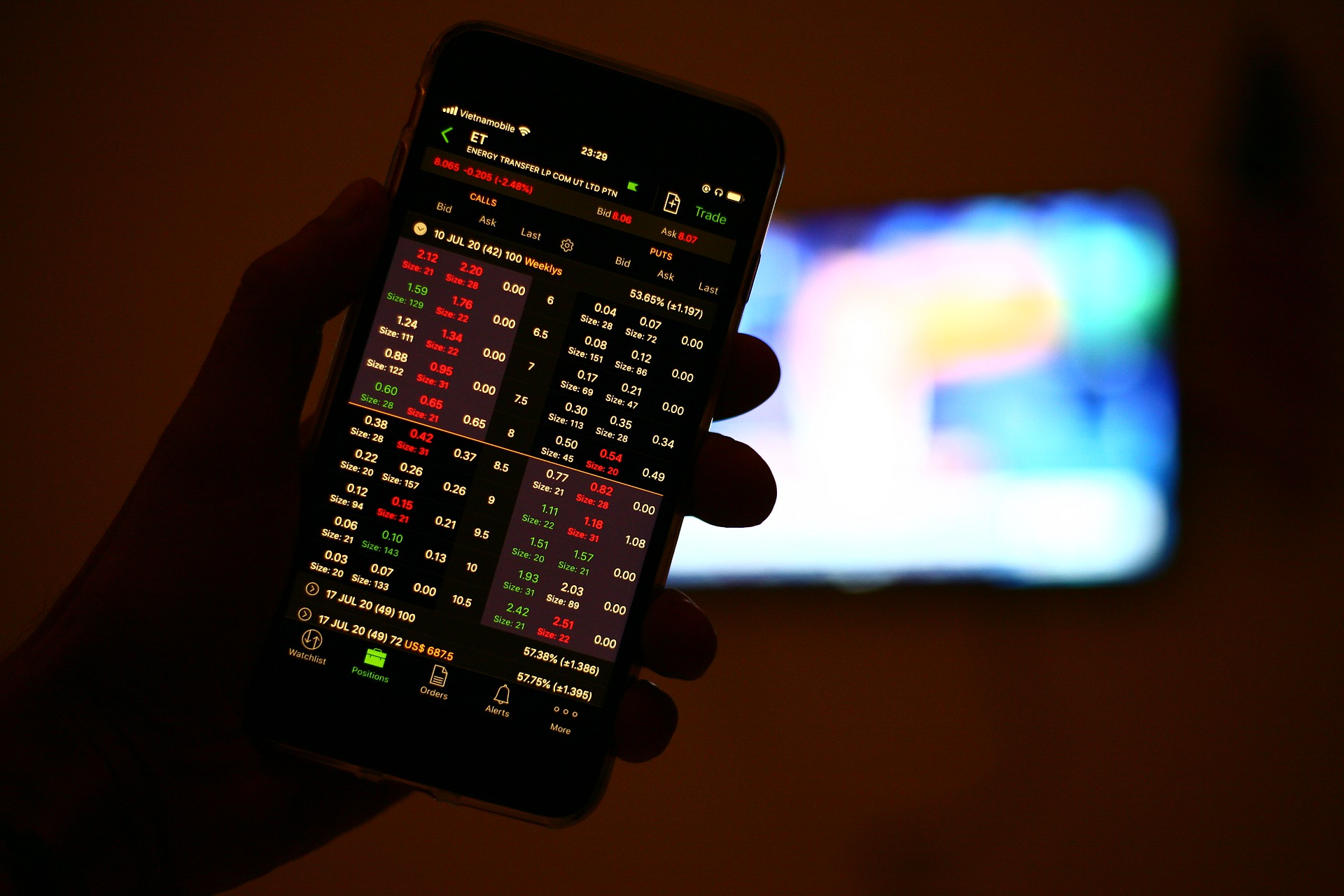



The market was flying. Nifty had rallied 400 points in two days, your call options were deep in profit, and everything felt perfect.
Then, without warning, it started slipping.
No bad news. No global crash. Just a quiet, steady bleed downward.
What just happened?
If you’ve ever sat at your trading screen watching a winning position turn red and wondered, “Is this a crash or just profit booking?” This article is written exactly for you.
The answer isn’t on the price chart. It’s hiding inside the option chain, in a signal called Long Unwinding in Call Options.
Let’s decode it, slowly, clearly, and in a way that will change how you read the market forever.
What is Long Unwinding in Call Option?
In the derivative market, every price movement is accompanied by a change in Open Interest (OI).
Open Interest is the total number of outstanding contracts that are open/active and have not yet been settled or closed.
When OI rises, new positions are being created. When OI falls, existing positions are being closed.
And long unwinding is exactly that, a closing of positions, but specifically by the bulls.
Here’s what happens: A trader buys a call option expecting the market to rise.
But at some point, whether the trade is in profit, in loss, or simply facing uncertainty ahead of a major event, they decide to exit the trade by selling their call option.
The reason could be anything:
- Locking in profits after a good rally.
- Cutting losses when the market didn’t move as expected.
- Getting nervous before a big event like a Budget or RBI policy.
Now multiply this by thousands of traders doing the same thing at the same time.
The result?
Call premiums start falling. Open Interest starts dropping. This simultaneous occurrence, falling price with falling OI, is what we call a Long Unwinding in Call Options.
It simply means: the bulls are exiting.
Whatever their reason, the bullish fuel is running out.
Why Long Unwinding Happens in Call Options?
There are several psychological and technical reasons why a long unwinding in call option takes place.
It is rarely a random event; usually, it is a response to specific market conditions.
1. Profit Booking at Resistance Levels
The most common reason for a long unwinding is simple profit booking. Imagine Nifty has rallied from 22,000 to 22,500.
Traders who bought calls at 22,100 are now sitting on huge profits.
As the index approaches a psychological resistance like 22,500, these traders decide to “lock in” their gains.
As they sell their calls to exit, the OI falls and the price dips.
2. Fear of an Upcoming Event
If there is a major event on the horizon, such as an RBI Policy meet, Union Budget, or US Fed meeting, traders often get nervous.
Even if they are in a profitable position, they might choose a long unwinding strategy to move to cash.
They prefer to be on the sidelines rather than risk a “gap down” opening the next day.
3. Expiry Day Pressure
In India, we have weekly experiences for Nifty and Sensex.
On the day of expiry, all options and mostly “Out-of-the-Money” (OTM) call options lose their value rapidly due to Theta Decay, which means the reduction in option value as time passes.
Traders who were hoping for a last-minute rally realize it’s not happening and start unwinding their positions to save whatever premium is left.
This leads to a massive long unwinding in call options across various strike prices.
Important Note: OTM are those options that currently have no intrinsic value.
4. Technical Indicators Turning Bearish
Many professional traders use indicators like the RSI (Relative Strength Index), Moving Averages, or the PCR in Option Chain.
If a stock hits an “Overbought” zone on the RSI, it signals that the rally is overextended.
Seeing this, call buyers start exiting, leading to the unwinding of long positions.
How to Identify Long Unwinding in Call Option?
Identifying this signal is a vital skill. You don’t need expensive software; you can find this data on the official NSE India website or your broker’s terminal.
To identify a long unwinding in the option chain, you need to look at the “Calls” side of the table (usually the left side).
Step-by-Step Identification:
- Look at the ‘Change in OI’ Column: In a long unwinding scenario, you will see negative numbers here (e.g., -50,000 or -2,00,000). This indicates that contracts are being closed.
- Look at the ‘LTP’ (Last Traded Price) Column: The price should be in red, showing a decrease from the previous day or the previous hour.
- Check Multiple Strikes: If you see this pattern across several strike prices near the “At-the-Money” (ATM) zone, it confirms a broad-based long unwinding options.
When you see negative OI and falling prices, it is a clear signal that the “weak hands” are exiting their bullish bets.
It is a signal that bullish momentum is weakening and the market may pause or consolidate, but not necessarily reverse.
How to Trade Long Unwinding in Call Option?
Trading this data requires patience. Many amateur traders see the price falling and immediately think they should “Short” the market.
Here is how to handle a long unwinding in call option:
- Don’t Buy the Dip Immediately: If you see the market dipping but the OI is also falling, it means bulls are exiting. Don’t rush to buy the dip yet, as the “support” is currently weakening.
- Wait for Support Confirmation: Watch the price action. Since the fall is due to profit booking, the price will eventually find a “floor” where new buyers (Long Build Up) might enter.
- Exit Your Longs: If you are holding call options and you see a long unwinding in call option starting on your screen, it is a signal to exit and book your own profits. Don’t be the last person left at the party!
- Hedge Your Positions: If you don’t want to exit your positions entirely, buying a put option can act as a hedge against further downside, however long it lasts.
Common Mistakes Traders Make During Long Unwinding
Even with the data in front of them, traders often make emotional errors.
Here are the most common pitfalls:
- Confusing it with a Market Crash: A long unwinding in a call option is often just healthy profit booking. Don’t assume the market is going to zero. A real crash involves a “Short Build Up” (Price down, OI UP).
- Averaging Losing Positions: If you bought a call and the market starts unwinding, the worst thing you can do is buy more calls to “average” your price. In an unwinding phase, the momentum is against you.
- Ignoring the Trend: Sometimes a long unwinding in a call option happens during a minor dip in a massive bull market. Don’t become a permanent bear just because of one hour of unwinding data.
- Trading Illiquid Strikes: Always look at the data for liquid strikes (ATM or near OTM). Looking at unwinding data for deep out-of-the-money strikes can be misleading because the volumes are too low to give a clear picture.
Long Unwinding in Call Option vs Put Option
It is important to distinguish between what is happening on the call side versus the put side.
While they both involve “unwinding,” their implications for the market direction are very different.
| Feature | Long Unwinding in Call Option | Long Unwinding in Put Option |
| Price of Option | Falls | Falls |
| Open Interest (OI) | Decreases | Decreases |
| Who is exiting? | The Bulls (Buyers of Calls) | The Bears (Buyers of Puts) |
| Market Sentiment | Bearish / Neutral | Bullish / Neutral |
| Reason | Buyers don’t expect more rise | Buyers don’t expect more fall |
In a long unwinding in put option, the traders who were betting on a market fall are now exiting.
This often happens when the market hits a strong support level and starts to bounce back.
While a long unwinding in call option suggests the rally is ending, a long unwinding in puts suggests the crash is ending.
Both represent a “reversal” of the previous sentiment.
Conclusion
Long unwinding in call option is like having a pulse monitor for the stock market. It helps traders understand when bullish momentum is weakening and when the strength behind the uptrend may be slowing down.
By carefully observing the option chain and changes in open interest, traders can avoid entering trades too late or holding positions that are already losing momentum.
Derivative trading is not only about reading charts; it is also about understanding the behaviour and intentions of market participants.
When such signals appear in the options data, it often indicates that traders are booking profits and stepping back from aggressive bullish positions.
Recognizing these cues can help you protect gains and wait for the next clear setup.
Whether you trade actively or invest occasionally, learning to interpret these subtle movements in the F&O market can greatly improve your decision-making in the Indian stock market.
Stay disciplined, track open interest changes, and let data guide your trade
FAQs
Q1: What does long unwinding in a call option indicate?
Ans: It indicates that traders who previously bought call options are closing their positions.
Since call buyers expect the market to rise, their exit usually signals that bullish momentum is weakening and the market may enter consolidation or a short-term dip.
Q2: Is long unwinding in a call option bearish?
Ans: Yes, it is generally considered a mild bearish or neutral signal.
It shows profit booking by bulls rather than aggressive fresh short selling. It suggests that the rally is losing strength, but it does not automatically mean a market crash.
Q3: How is long unwinding different from short build-up in call options?
Ans: In long unwinding, both Call premium and Open Interest (OI) decrease, showing old buyers are exiting.
In a short build-up, the call premium falls but OI increases, indicating fresh short sellers entering aggressively. Short build-up is more strongly bearish compared to simple long unwinding.
Q4: Can beginners trade based on long unwinding in call option?
Ans: Beginners should use caution. Long unwinding signals weakening momentum, but does not guarantee a sharp fall.
It is best used along with price action, support-resistance levels, and overall market trend before making any trading decision.
Want to master option chain analysis?
Join our option trading classes at Stock Pathsala and learn practical strategies used by experienced traders.
Before investing capital, invest your time in learning Stock Market.
Fill in the basic details below and a callback will be arranged for more information: