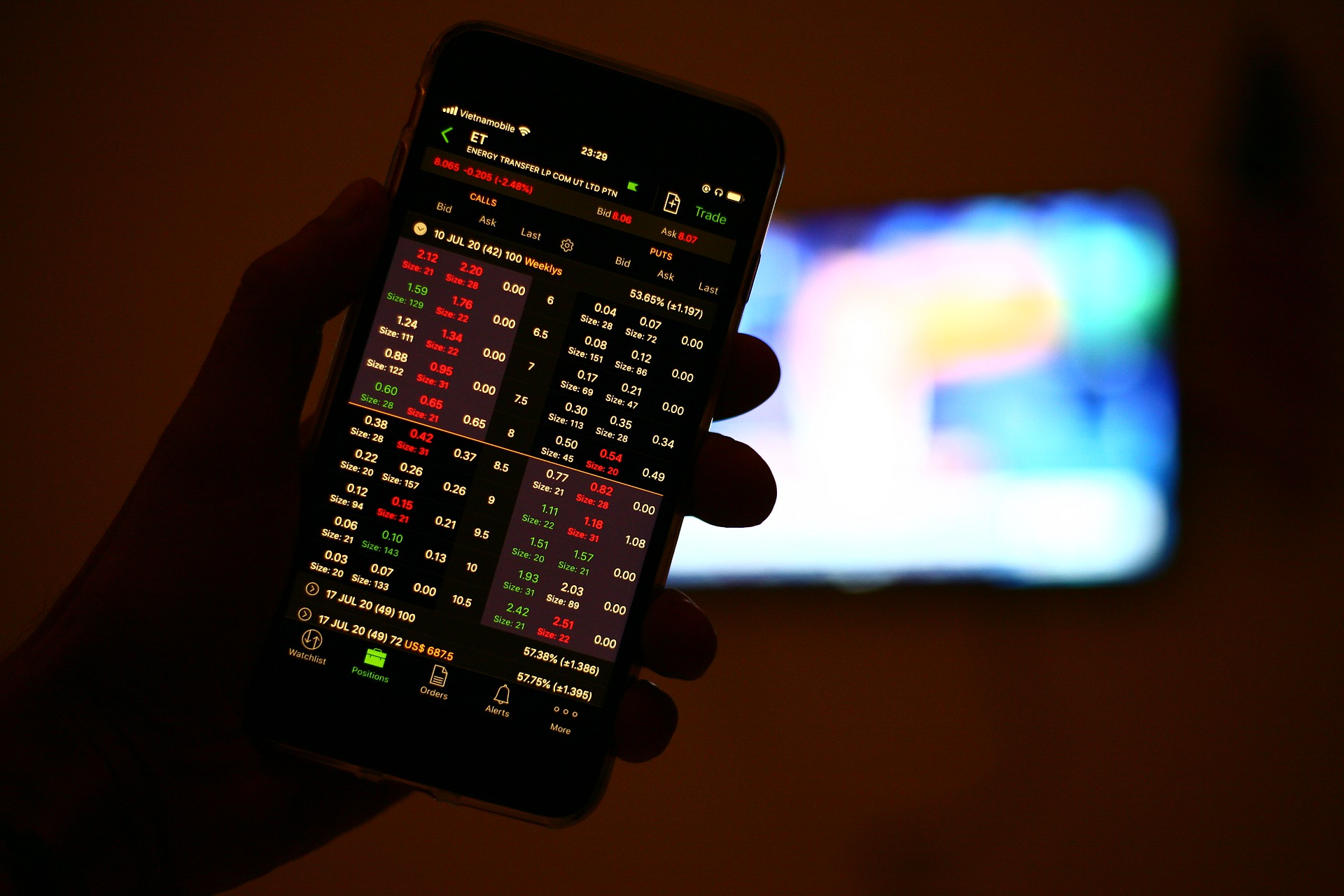



Every day, millions of traders place bets in the options market without truly understanding what that activity is telling them.
Most beginners treat options as just another way to make quick money, but experienced traders know there is much more to it.
The truth is, option trading conveys stock price information in ways that most people completely overlook.
From sudden spikes in call buying to massive put writing at key levels, every move in the options market is sending a signal about where the smart money expects prices to go next.
Understanding these signals can completely change the way you read the market and make trading decisions.
In this blog, let us break down exactly how option trading and stock prices are connected in a simple and straightforward way.
Does Option Trading Affect Stock Price?
For a long time, people believed that the stock market was the “driver” and the options market was just a “passenger.”
However, in today’s modern markets, especially in India, where derivative volumes are significantly higher than cash volumes, the roles have reversed. This is often called “the tail wagging the dog.”
Options affect stock prices primarily through a process called Delta Hedging.
When you buy a Call option on Nifty, someone has to sell it to you. Usually, that “someone” is a large institution or a Market Maker.
Market makers don’t want to gamble; they want to remain neutral. If they sell you a Call option, they are technically “Short” on the market. If Nifty goes up, they lose money.
To protect themselves, the market maker immediately goes to the cash market and buy the actual shares or futures.
This massive institutional buying, triggered solely by option activity, directly pushes the stock price higher.
Therefore, the activity in the options market is not just “information”; it is a physical force that moves the price of shares on the NSE.
Does Option Buying Affect Stock Price?
When thousands of retail traders and institutions start buying options, it can create explosive moves in the underlying stock.
1. The Power of Call Buying
When there is a sudden surge in Call Buying, it often conveys a very bullish sentiment.
To grasp why this happens, one must understand how call option works in a professional environment; when a trader buys a call, they are essentially betting on an upside move, which forces the seller (often a market maker) to hedge their risk.
As explained above, market makers must hedge by buying the actual shares.
If the buying is intense, it can lead to a Gamma Squeeze.
This is a situation where the rising stock price forces market makers to buy more shares, which pushes the price even higher, creating a “rocket move.”
If you see a massive spike in Call OI (Open Interest) with rising premiums, it is a signal that a breakout might be coming.
2. Put Buying as a Warning
When traders buy Put Options, they are essentially buying “insurance” against a fall. A sudden increase in put buying conveys that big players are worried about a crash.
To hedge the puts they sold to these traders, market makers must short-sell the stock in the cash market.
This aggressive selling to stay hedged can turn a minor dip into a major market crash.
Does Option Selling Affect Stock Price?
Option selling (also known as writing) is the preferred strategy of big institutional players.
To understand the market impact, one must first grasp how option selling works; unlike buying, a seller receives a premium upfront and profit if the stock stays below (for calls) or above (for puts) a specific strike price
Their activity tells us where the “walls” of the market are located.
1. Call Writing (Resistance)
If you see a very high Open Interest at a specific Call strike (e.g., Nifty 25,000), it means big sellers have “written” those calls.
They are betting that the market will not go above 25,000.
These sellers are powerful; they will often sell the actual stock in the cash market to prevent the price from crossing that level.
It conveys the information that 25,000 is a Strong Resistance.
The same pattern plays out constantly on Bank Nifty too, and our Bank Nifty option trading classes cover exactly how to read those resistance walls on that specific index.
2. Put Writing (Support)
Similarly, when institutions sell Put Options, they are signaling confidence that the market will not fall below a certain level. This creates a “Put Wall.”
If the price falls toward this level, these sellers will provide a “floor” by buying the stock. This conveys the information that a specific price is a Strong Support.
What are the Benefits of Trading Stock Options?
If options are so complex, why do so many people trade them? It is because they offer benefits that regular stock trading cannot:
- Capital Efficiency (Leverage): You can control ₹10 lakh worth of Nifty with just ₹20,000. This allows small traders to participate in big moves.
- Hedging (Insurance): If you own shares of Reliance and fear a dip, you can buy a Put option. If the price falls, your profit from the Put will cover the loss in your shares.
- Profit in Sideways Markets: In the cash market, you only make money if the price moves. In options, you can use strategies like “Short Straddles” to make money even if the market stays completely flat.
- Defined Risk: When buying options, you know exactly how much you can lose (the premium paid), which is not the case in futures trading.
A lack of understanding of how these instruments work is the primary reason why traders fail in the stock market environment.
While options offer defined risk, many retail participants treat them as lottery tickets rather than strategic tools, leading to rapid capital erosion.
Does Option Price Change Overnight?
For beginners, it can be shocking to see their ₹100 option open at ₹40 the next morning, even if the stock price has not moved much. Yes, option prices change significantly overnight.
This volatility is a major factor when deciding which time frame is best for option trading, as most momentum traders prefer shorter intraday time frames, like 5 or 15 minutes, to avoid the risks of time decay and global gaps.
There are two main reasons for this:
- Theta Decay (Time Value): Options have an expiry date. Every night that you hold an option, it loses some value because it has one less day to “win.” This is called time decay.
- Gaps and Global Cues: The world doesn’t stop at 3:30 PM when the Indian market closes. Events in the US market or cues from the GIFT Nifty can cause the market to open with a “Gap Up” or “Gap Down.”
This causes a sudden, massive change in the option premium the moment the market opens at 9:15 AM.
Conclusion
Option trading is far more than just buying and selling contracts in the hope of making quick profits.
It is a window into what the big players and institutions are thinking, where they expect the market to go, and where they are placing their real money.
The option chain, open interest, and implied volatility together act like a live map of market sentiment that most retail traders never learn to read.
But once you understand how option trading conveys stock price information, your entire approach to the market changes. You stop guessing and start making decisions backed by actual data.
If you want to understand what the “smart money” is doing, start learning it the right way with our online option trading classes at Stock Pathshala, where real data meets practical learning.
FAQs
Q1: Do Options Influence Stock Prices?
Ans: Yes, options directly influence stock prices through delta hedging, where market makers buy or sell actual shares to stay neutral. In markets like Nifty and Bank Nifty, this hedging activity is so large that options often move the stock price rather than just follow it.
Q2: Can You Predict Stock Prices Based on Options?
Ans: Options cannot predict prices with certainty, but they give strong clues through data like Open Interest, Put Call Ratio, and Implied Volatility.
These tools show where big players are positioning themselves, which helps you anticipate likely price moves.
Q3: What Does a Sudden Rise in Implied Volatility Tell You About Stock Price?
Ans: A sudden spike in implied volatility signals that the market is expecting a big price move very soon. Smart traders watch this closely because it often warns of a significant move before it actually happens.
Q4: Why did my option price fall even though the stock went up?
Ans: This usually happens because of Volatility (Vega) or Time Decay (Theta). If you bought an option with very high volatility and that volatility dropped (IV Crush), the premium will fall even if the stock price moves in your favor.
Before investing capital, invest your time in learning Stock Market.
Fill in the basic details below and a callback will be arranged for more information: