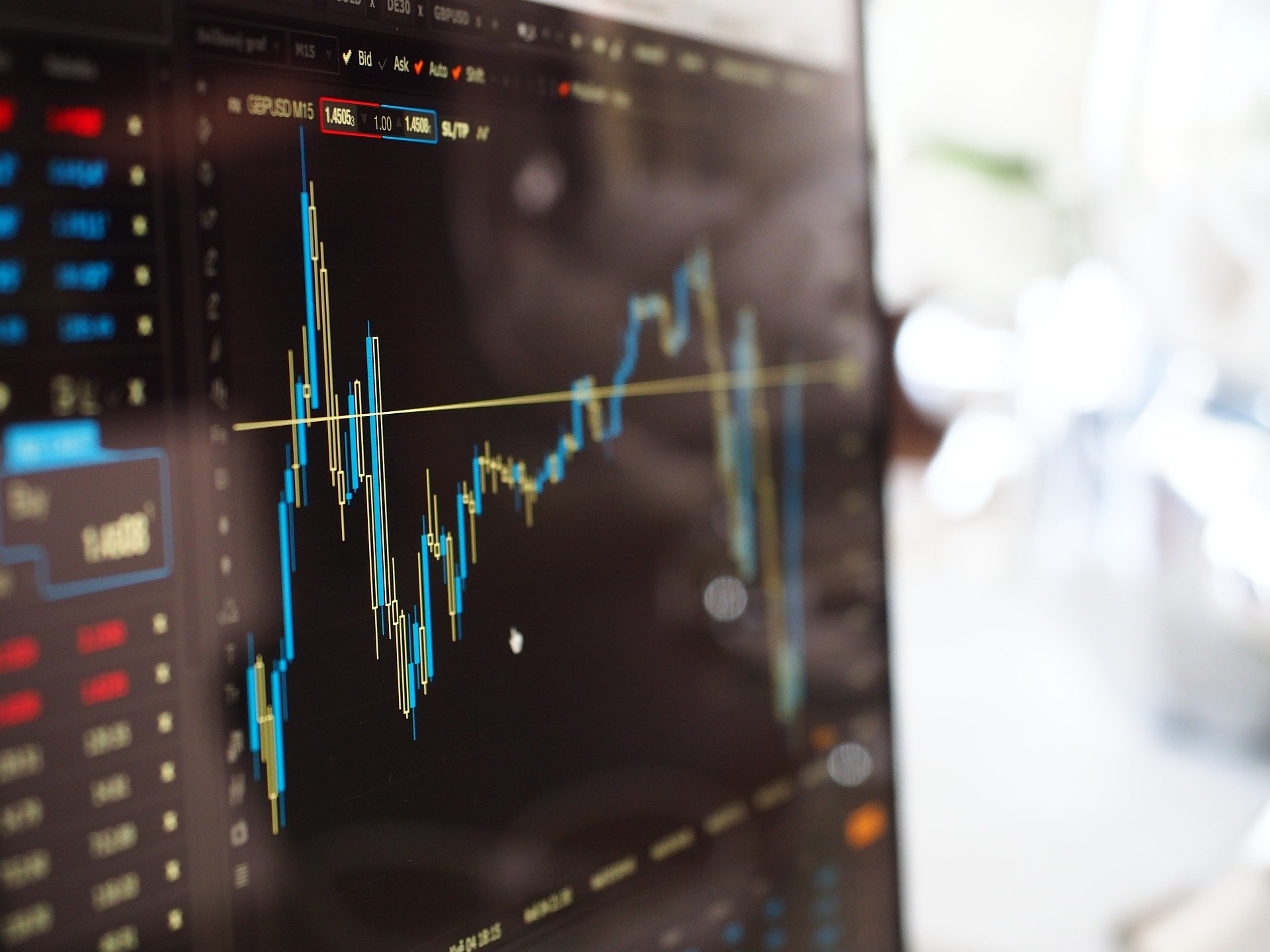



Is intraday trading a business or just a high-stakes gamble? This is a debate that has divided the trading community for years. Many see it as a path to quick wealth, while others warn it is a trap.
To succeed, you must understand where the line is between strategic trading and pure speculation.
This blog explores whether intraday trading is truly speculative and how you can move from guessing to professional trading.
What Is Intraday Trading?
Intraday trading involves buying and selling stocks within a single business day.
Many beginners ask, is intraday trading speculative by nature, or can it be a real business? To answer this, one must first understand how intraday trading works in the Indian market.
Unlike traditional investing, where you hold assets for years, this system requires all trades to be squared off before the market shuts at 3:30 PM.
In this style of trading, you are not focused on a company’s long-term health. Instead, you look for price volatility. You want the stock to move enough in a few hours so that you can exit with a small profit.
Because you do not hold these shares overnight, you never take delivery of them into your Demat account.
How To Do Intraday Trading?
Starting your trading journey requires a structured approach and a very disciplined process.
- Select a Reliable Broker: Pick a platform with low brokerage fees and fast execution. Since you will trade often, even small costs can eat into your daily profits.
- Pick Liquid Stocks: Stick to large-cap stocks, for example, the stocks that make up the Nifty 50 index, such as Reliance, HDFC Bank, or Infosys. These stocks have millions of buyers and sellers, which means you can enter and exit trades instantly.
- Analyze the Charts: Use technical analysis to study price action. Learn and use candlestick patterns and indicators like the RSI to predict the next short-term move.
- Use a Trading Plan: Never enter a trade randomly. Every trade should have a pre-set entry price, a Target to book profit, and a Stop Loss to limit your risk.
Is Intraday Trading Really Speculative?
The short answer is yes, by definition. In India, the Income Tax Act (Section 43(5)) officially classifies intraday trading as Speculative Business Income.
It is considered speculative because the contract is settled without the actual delivery of shares. You are not investing in the company; you are speculating on which way the price will swing before the clock hits 3:30 PM.
However, there is a big difference between blind speculation and calculated trading.
Trading vs. Pure Speculation
While the tax department calls it all speculative, professional traders operate very differently from gamblers. In fact, three distinct pillars separate disciplined trading from pure chance.
Understanding these differences is crucial because they reveal the core reasons why traders fail in the stock market environments-often due to a lack of structure rather than a lack of luck.
Let’s examine each one:
1. Role of Research
A pure speculator typically relies on tips, rumours, or gut feeling, essentially guessing based on external noise or social media hype.
Because there is no logical or data-backed reason for the trade, the outcome is largely down to chance, which makes this approach extremely high-risk over the long run.
A professional trader, however, uses objective data. They study price action, historical chart patterns, and volume. They only enter a trade when a specific setup appears that has worked many times before.
For them, a trade is a mathematical decision, not an emotional one.
2. Risk Management
In pure speculation, there is often no safety net. If the price falls, the speculator simply hopes it will recover, and this hope is precisely what wipes out trading accounts.
They may even average down by buying more of a losing stock, which frequently doubles their losses and accelerates the damage.
A professional trader, by contrast, treats a stop loss as a non-negotiable rule. Before clicking the buy button, they have already decided the maximum amount they are willing to lose on that single trade.
If the market moves against them, they exit immediately without emotion. They know that protecting their capital is more important than being right about a stock. They follow a simple rule – A penny saved is a penny earned.
3. Consistency vs. Jackpots
Speculators are often chasing a single massive jackpot win. As a result, this mindset leads to over-trading and taking risks that the account simply cannot handle.
In contrast, professional traders aim for small, consistent gains, understanding that a 1-2% profit every few days compounds into a significant annual return.
It creates a boom and bust cycle where they make money one day and lose it all the next.
They focus on maintaining a healthy risk-reward ratio in intraday trading.
For every ₹1 they risk, they aim to make ₹2 or ₹3 (a 1:2 or 1:3 ratio). Over 100 trades, this strategy wins even if it is only right half of the time
Is Intraday Trading Safe for Beginners?
Safety in the market is not about the stocks you pick; it is about how you manage your money. This is exactly why many beginners search for is it Safe to do intraday trading before entering the market.
When it is not safe: Understanding intraday trading risks in India is essential before you begin. If you are a beginner trading with your savings or using high leverage without a plan, it is extremely dangerous.
According to a SEBI study on intraday equity trading (2023), approximately 7 out of 10 intraday traders incurred a net loss over the study period, which clearly explains why people lose money in intraday trading.
When it can be safe: Trading becomes safer when you move through the learning stages. This means starting with paper trading (with virtual money) and only moving to real cash once you have a winning strategy.
It is safe for a beginner only when the risk per trade is so small that a loss does not hurt their lifestyle.
What You Can Learn to Move Beyond Speculation?
If you want to stop guessing and start trading professionally, you need to master these three pillars:
- Technical Analysis: Learn how to read price action, support/resistance levels, and volume.
- Position Sizing: Learn how to calculate exactly how many shares to buy. So that you never lose more than 1% of your total capital on a single trade.
- Trading Psychology: This is the most important part. You must learn to keep your emotions (fear and greed) out of your decision-making process.
Mastering these three pillars will not happen overnight, but every professional trader you admire built their edge by going deep on exactly these fundamentals.
The good news is that, unlike market movements, these are skills entirely within your control to develop.
Conclusion
So, is intraday trading speculative? Legally and statistically, yes, the Income Tax Act classifies it as speculative business income.
However, most people who enter the market without a plan are speculating blindly on price changes, which is a very different thing from calculated trading.
To move from a speculator to a trader, you must prioritise protection over profit. The market is a place where money flows from the impatient to the patient.
If you focus on learning the skill rather than chasing the money, you can turn a high-risk activity into a steady profession and even evaluate whether intraday trading can be a full time job for you in the long run.
So, stop guessing and start learning! Join our expert-led webinars on the StockPathshala app to learn professional trading and risk management strategies.
Join our stock market classes to know better.
FAQs
Q1: Is intraday trading the same as gambling?
Ans: If you trade without a plan or research, it is very similar to gambling. If you use a tested strategy and risk management, it is a professional business.
Q2: What happens if I forget to sell my shares before 3:30 PM?
Most brokers trigger auto square-off between 3:00 PM and 3:15 PM. The exact window varies by broker; for example, Zerodha squares off from 3:15 PM, while others begin as early as 3:00 PM.
Trades not closed by this window are squared off at prevailing market prices, often at a penalty charge.
Q3: Is short-selling allowed for everyone in India?
Yes, any retail trader with a standard trading account can do short selling. This means you sell a stock first (even if you don’t own it) and buy it back later at a lower price.
However, in India, short selling is only allowed for intraday. You cannot carry a short position in equity stocks overnight; you must close it before the market shuts.
Q4: Can a beginner start intraday trading with ₹5,000?
Yes, you can start small to learn the concepts. However, you should focus on learning how rather than trying to make a living with such small capital.
Q5: What is the best way to practice?
Use a paper trading app. It allows you to trade in the live market with virtual money so you can learn without any financial risk.
Before investing capital, invest your time in learning Stock Market.
Fill in the basic details below and a callback will be arranged for more information: