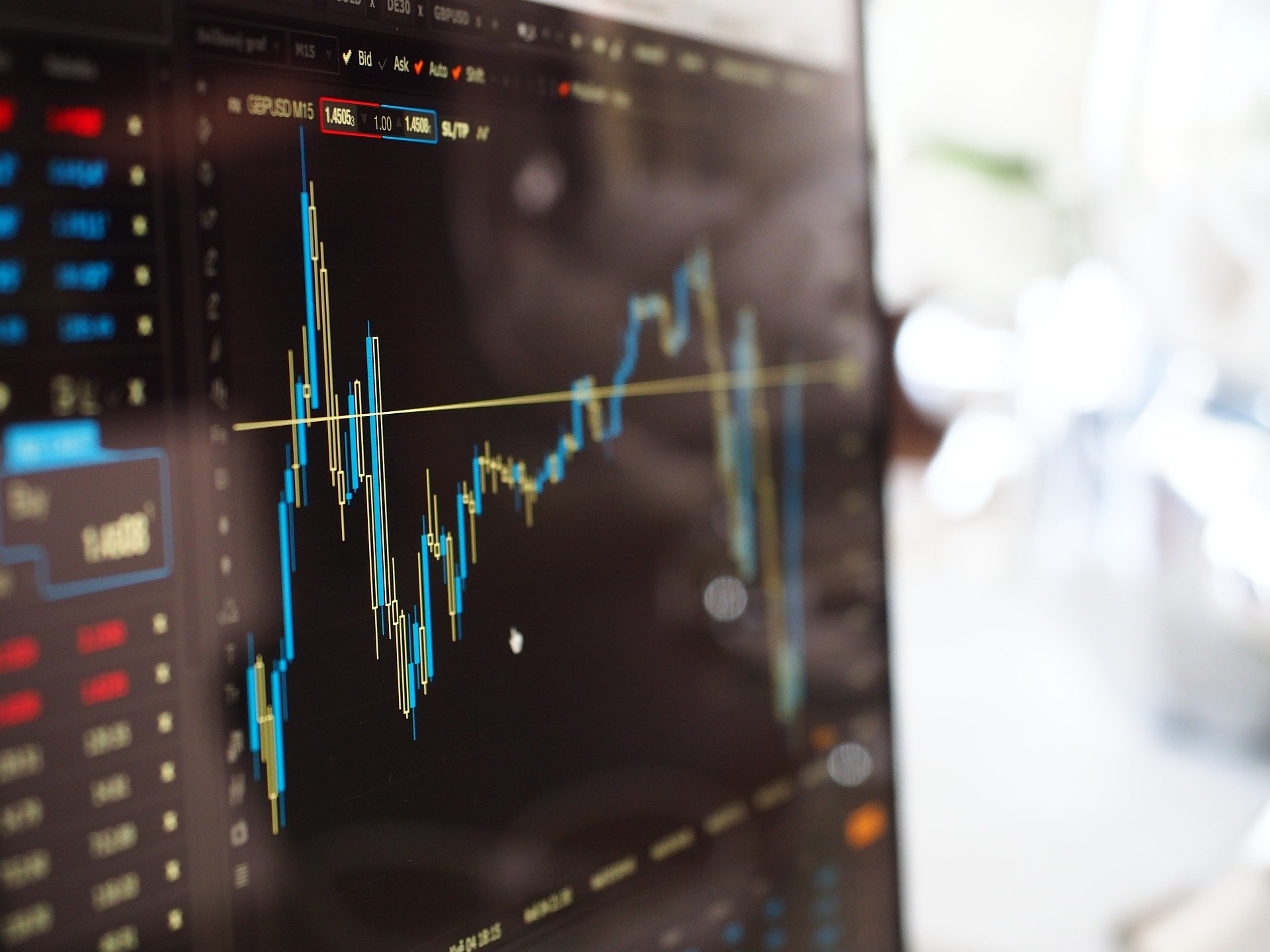


Is it safe to do intraday trading? That is one of the most asked questions by new traders in India and the honest answer is not black and white.
Intraday trading is a high-risk, skill-based activity. It is not a guaranteed income source like a fixed deposit.
But with the right knowledge and discipline, it is a risk you can learn to manage.
This blog breaks down exactly what you need to know before placing your first trade.
What Is Intraday Trading?
Intraday trading involves buying and selling stocks within a single business day to catch quick price moves.
You must close all positions before the market shuts at 3:30 PM.
Suppose you buy 100 shares at ₹500 at 10:00 AM. By 1:30 PM, the price moves to ₹520.
You sell all shares and take a profit of ₹2,000.
That entire cycle is called intraday trading.
This is very different from delivery trading.
In delivery, you hold stocks for months or years. In intraday trading, you own the shares during the trading session but do not hold them overnight.
All positions are closed before the market ends.
No shares carry over to the next day. This is why many people ask, is intraday trading speculative? Under Indian tax laws, the answer is yes.
Because there is no ‘delivery’ of shares into a Demat account, it is classified as speculative activity.
Once you understand what intraday trading is, the next step is knowing how to actually do it, the right way.
How To Do Intraday Trading?
Starting your journey requires the right setup and a very disciplined process.
- Step 1: Open Your Accounts: You need a Demat and a trading account with a SEBI-registered broker. Most brokers offer digital account opening that takes just a few minutes.
- Step 2: Understand Leverage: Brokers let you trade with more money than you actually have. Under SEBI’s margin framework (effective September 2021), leverage is not a fixed multiple, it depends on the stock’s volatility and risk category.
For most large-cap Nifty 50 stocks, this typically works out to 3x to 5x. With ₹20,000, you could take a position worth ₹60,000 to ₹1,00,000. This can grow your profits or wipe out your savings. - Step 3: Pick Liquid Stocks: Not every stock is good for this. Ideal stocks are highly liquid and trade in large volumes. Large-cap stocks from the Nifty 50 are usually the best choice for beginners.
- Step 4: Use Technical Analysis: Traders rely on charts and indicators. Key tools include Moving Averages and the RSI. Experts suggest using only 2 or 3 indicators to keep your strategy clear.
- Step 5: Always Set a Stop-Loss: This is an order that exits your trade if the price moves against you. If you buy at ₹500, you might set a stop-loss at ₹490. This limits your maximum loss to ₹10 per share.
- Step 6: Square Off Early: Most brokers auto-close positions between 3:15 PM and 3:25 PM. Try to exit manually before this window. This helps you avoid extra fees or bad prices.
Is Intraday Trading Profitable?
The stock market is a professional environment. Your safety and profit depends on whether you treat it like a business or a game of luck.
Is It Safe For Beginners?
For most beginners, intraday trading is not safe. Many new traders lose their capital within the first few months.
This directly connects to why people lose money in intraday trading, which is usually due to lack of strategy, overtrading, and emotional decisions.
The result: a single bad trade can wipe an entire account.
It becomes safer only when you start small and treat every early trade as tuition, not income.
1. The Trap of Loss-Making Trading
If you are consistently losing money, trading is unsafe for your financial health.
Many traders fall into the trap of revenge trading, where they try to win back losses by taking even bigger risks.
This behavior is dangerous because it leads to a cycle of debt. It is not safe because you are no longer making logical decisions.
At this stage, many traders start chasing unrealistic goals like how much money profit is good in intraday trading, instead of focusing on consistency and risk control.
2. How Experienced Traders Stay Safe?
Experienced traders do not gamble.
They understand that intraday trading is high-intensity, so they often diversify into different trading types to balance their risk.
- Swing Trading: They shift some capital to swing trades, holding delivery-based stock positions or F&O contracts for a few days to catch larger price moves without the pressure of daily square-offs.
- Hedging: They use options or different segments to protect their main capital.
- Asset Allocation: They never put all their money into intraday trades. They keep a large portion in safe, long-term investments.
3. Safety During Practice and Learning
Paper trading eliminates financial risk entirely, making it the safest way to learn intraday trading.
Using paper trading apps, you can practice with virtual money, testing strategies without risking a single rupee.
Keep in mind that real trading involves emotions and execution pressure that paper trading does not fully replicate.
This is the phase where you learn how the market breathes. You can test your theories without losing a single rupee.
Safety here comes from the fact that your real-world savings are never at risk while you make mistakes.
Benefits of Intraday Trading
While the risks are high, intraday trading offers some unique advantages for active traders.
-
No Overnight Risk
You carry zero risk while you sleep. In delivery trading, bad news can happen overnight and cause a crash.
Intraday traders are out of the market by 3:30 PM. This eliminates overnight unpredictability entirely.
-
Profit in Both Markets
You are not restricted to just buying. Through short-selling, you can profit even when a stock is falling.
You sell the stock first at a high price and buy it back later at a lower price. This flexibility is a huge benefit.
-
Capital Efficiency
Brokers provide margin for intraday trades. This lets you take larger positions with limited capital.
A trader with ₹25,000 can trade with ₹1,25,000.
When managed well, this improves your returns compared to traditional investing.
Risks of Intraday Trading
It is vital to look at the negative side of trading to protect your hard-earned money.
-
High Probability of Loss
The data from SEBI shows that many traders lose money in intraday trading.
For very active traders, the percentage of loss making trades is very high.
These show millions of real traders struggle in intraday trading.
-
Risk of Capital Wipeout
Leverage destroys accounts in minutes when used carelessly. If you use 5x leverage and the stock drops 4%, you lose 20% of your actual money.
Without a stop-loss, a few bad trades can leave you with nothing.
-
Emotional Pressure
Fear and greed push traders into irrational decisions.
Many beginners wonder, can intraday trading make you rich?
While the potential exists, chasing wealth too quickly usually leads to the opposite result.
What You Can Learn to Improve Safety
To make trading safer, you must move beyond basic buy and sell buttons. You need to master specific skills:
- Risk management: Calculate your position size before every trade and always maintain a healthy risk-reward ratio in intraday trading (like 1:2) to ensure your wins outweigh your losses.
- Technical analysis: Learn to read candlestick patterns, support and resistance levels, and volume signals. These are the core tools of every professional intraday trader.
- Trading psychology: Fear and greed are your biggest enemies. Learn to follow your plan even when the market moves against you, emotional discipline separates consistent traders from those who blow up their accounts.
- Platform mastery: Know your broker’s app inside out. In a fast-moving trade, seconds matter. Practise exiting positions quickly before you need to do it under pressure.
Conclusion
Intraday trading is a high-skill activity. It is not a shortcut to wealth. It only becomes safe when you have a disciplined plan and strict risk rules.
The market will always be there tomorrow. There is no need to rush into a trade if the setup is not perfect.
Focus on saving your capital so you can stay in the game long enough to learn. Start small, stay educated, and always put safety first.
Are you ready to turn the odds in your favor?
If you want to learn more, you can join our stock market course.
FAQs
Q1: Is intraday trading safe for beginners?
Ans: Intraday trading is not safe for most beginners. SEBI data shows over 70% of active traders lose money.
Beginners should start with paper trading on a virtual platform for at least 3 months before using real capital, and never risk more than 1% per trade.
Q2: How much money do I need for intraday trading?
Ans: You can start with ₹10,000. However, if you start with ₹25,000, it can make it easier to manage your risk properly.
Q3: Can I do intraday trading with a job?
Ans: Yes, you can. But it is very difficult to do intraday trading with a job. Intraday trading requires your full focus during market hours to avoid sudden losses.
Q4: Can I convert an intraday trade into a delivery trade?
Ans: Yes, most brokers allow you to convert your intraday (MIS) position to delivery (CNC) if you have sufficient funds in your account.
However, this conversion must be done before your broker’s auto-square-off time, usually between 3:15 PM and 3:20 PM.
After that window, conversion is no longer possible.
If the stock price drops and you do not want to sell at a loss, you can pay the full amount and hold the shares for a few days or months.
Q5: What is the biggest mistake while doing intraday trading?
Ans: The biggest mistake is trading without a stop-loss. This allows a small mistake to become a huge loss.
Before investing capital, invest your time in learning Stock Market.
Fill in the basic details below and a callback will be arranged for more information: