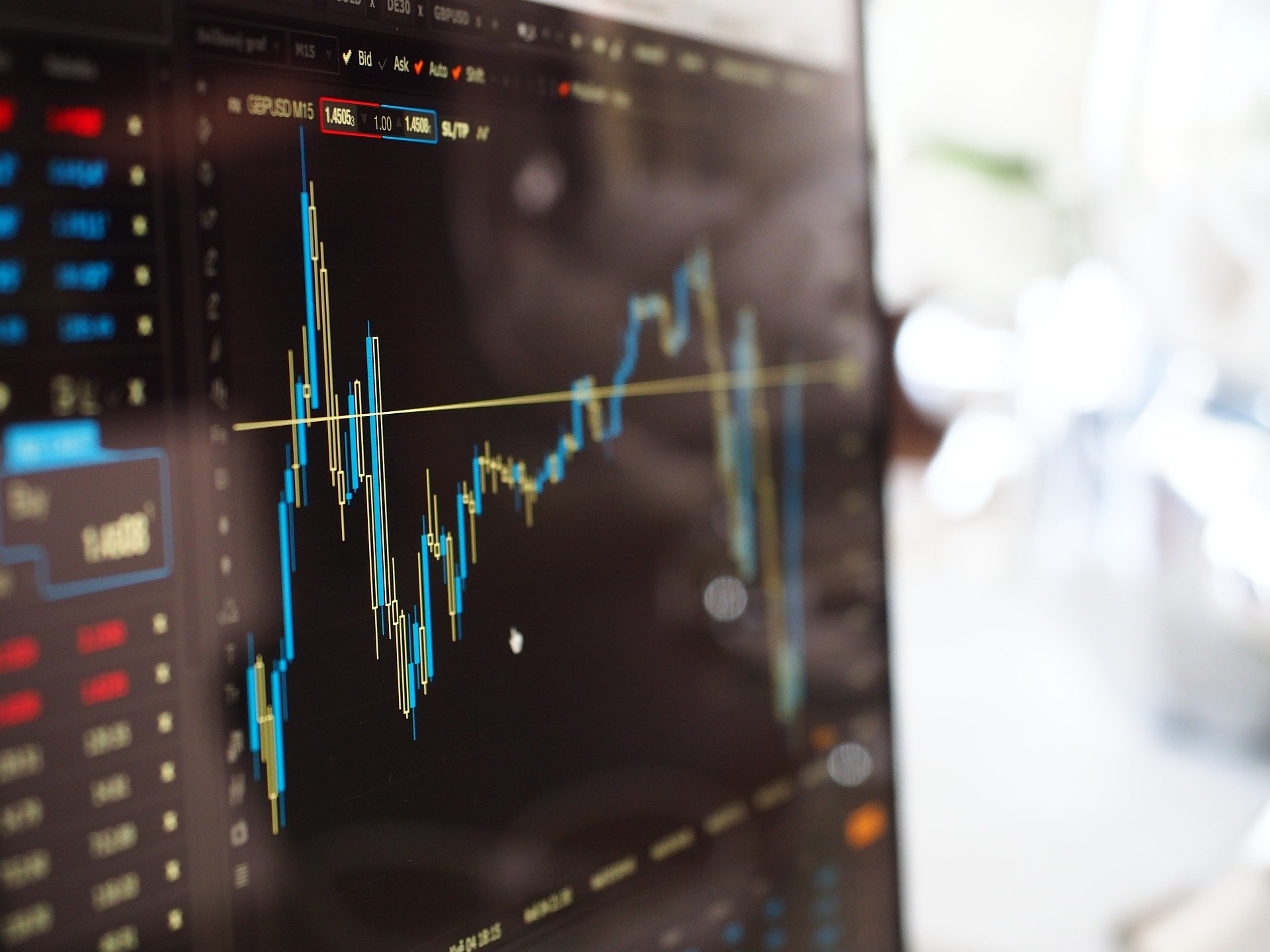



Let’s not beat around the bush, intraday trading is hard.
You’re trying to predict short-term price movements in one of the most volatile environments in the world, often trading alongside institutional players and algorithmic trading systems that can move prices within milliseconds.
As a result, intraday trading losses for most beginners are almost inevitable.
The real question is not whether you will face losses in intraday trading, but what you do after you do.
Every trader who has tried intraday trading has faced losses at some point. What separates a consistently profitable trader from one who quits in frustration has nothing to do with intelligence.
It has everything to do with discipline, process, and the willingness to learn from what went wrong.
This guide is built to help you understand why it happened and how to move forward with clarity.
Why Do Traders Face Losses In Intraday Trading?
Before you can fix something, you need to understand what broke. Most intraday trading losses trace back to a handful of common but very specific mistakes.
-
No Trading Plan and Emotional Trading
Entering trades based on news, tips, or gut feeling, without a defined entry, exit, or stop-loss strategy, is one of the fastest ways to trigger intraday trading losses consistently.
Beyond that, holding onto losing positions hoping they’ll recover, or cutting winning trades too early out of fear, are emotion-driven decisions. Effective risk management in intraday trading demands logic, not emotion.
-
Overtrading
Taking too many positions in a single session dilutes your focus and increases your transaction costs. More importantly, more trades do not mean more profits.
A sound intraday trading strategy focuses on a few high-quality setups and tracks them with full attention.
-
Excessive Leverage
Using broker-provided margin aggressively amplifies intraday trading losses just as much as it can amplify gains.
Without proper capital preservation discipline and position sizing for intraday trading, a single bad trade can erase several good ones.
-
Ignoring Your Stop-Loss Strategy
Moving or cancelling stop-loss orders while hoping for a reversal is one of the most destructive habits in trading. It turns small, manageable intraday trading losses into catastrophic ones.
A stop-loss strategy only works if you commit to it, decide your level before entering, and do not move it.
-
Trading Against the Trend
Buying during clear downtrends or shorting during strong uptrends without proper confirmation signals is fighting the market, and the market usually wins.
Always back your decisions with research and ensure your entry aligns with the broader trend direction.
-
Poor Risk-to-Reward Ratio
One of the most overlooked causes of losses is maintaining a poor risk-to-reward ratio in intraday trading.
Many traders risk ₹500 to make ₹300, which is potentially unsustainable.
Even with a high win rate, a persistently bad R:R will drain your trading account over time.
As a general benchmark, most intraday traders aim for a minimum R:R of 1:2, meaning you risk ₹1 to potentially make ₹2.
-
Market Volatility and External Factors
Sometimes intraday trading losses happen even when you have done everything right.
Because the market reacts instantly to news, many wonder, is intraday trading speculative?
While it involves taking positions based on probability, the speculative element means that unexpected global events can override even the best technical analysis
How To Recover After Loss In Intraday Trading?
In fact, many traders who have enough capital to continue still fail because they carry the mental weight of previous losses into new trades, distorting every decision that follows.
This is also one of the key reasons why people lose money in intraday trading.
Step-By-Step Plan To Recover From Intraday Trading Losses
To break this cycle, the first step is to take time away from the markets after a significant loss.
Emotional states and rational decision-making cannot coexist, and trading through either will only compound the damage.
Step 1: Stop Trading Immediately and Assess the Damage
The moment you recognise a significant loss, stop trading for the day, or longer if needed. Continuing to trade in an emotional state almost always leads to revenge trading, which compounds intraday trading losses further.
Sit down and calculate the exact financial damage, your remaining capital, and how many of your risk management rules you actually followed during the losing trades.
This step also helps you understand whether it is safe to do intraday trading for you in your current state or not.
Step 2: Conduct a Brutally Honest Trade Review
Go back to every losing trade and ask three questions: Did I follow my stop-loss strategy? Did I enter with a valid signal or out of impulse?
Was my risk-to-reward ratio acceptable before I entered? Document every answer in your trading journal.
This review is not about self-criticism; it is about identifying the exact point where your process broke down so you can fix it.
Step 3: Rebuild Your Risk Management Rules
Most intraday trading losses trace back to broken or absent risk management rules.
Use this period away from the market to rewrite your rules clearly, maximum loss per trade, maximum daily loss limit, minimum R:R ratio, and position sizing caps.
These rules are your capital preservation system. Without them, recovery is temporary at best.
Step 4: Return With Reduced Position Sizes
When you re-enter the market, cut your position size significantly. Most traders start at 50% or less of their usual size and maintain that reduced size until they have demonstrated consistency over at least 10–15 trades.
The goal is to rebuild confidence through small, disciplined wins and to prove to yourself that your revised stop-loss strategy and risk management rules actually work in live market conditions.
Step 5: Track Everything in a Trading Journal
From this point forward, your trading journal is non-negotiable. Log every trade with your entry reason, the emotions you felt before and during the trade, your stop-loss level, and the outcome. Review your trading journal every weekend.
Over 8-12 weeks and a minimum of 50 trades, patterns will emerge, both the setups that genuinely work for you and the emotional triggers that cause intraday trading losses to repeat.
You will also better understand factors like intraday trading time and how timing impacts your performance.
Many beginners at this stage start questioning should I do intraday trading?, but the real issue is not trading itself, it is the approach.
Successful traders commit to learning as an ongoing practice, not a one-time event; you might have to do the same.
Conclusion
Losses in intraday trading are a sign that something in your process needs attention.
Every successful trader has a string of painful losses somewhere in their story. What defines them is that they treated those losses as tuition, not failure.
The roadmap is straightforward, even if the execution isn’t: understand why the loss happened, take a break, rebuild your process, return with discipline, and keep learning.
Consistency in following your rules will always beat sporadic brilliance.
Take the next step in your learning with our stock market classes, where we simplify risk management strategies and how to build a profitable trading system.
Frequently Asked Questions
Q1: Is it normal to lose money in intraday trading as a beginner?
Ans: Yes. Intraday trading has a steep learning curve, and most beginners experience losses early on.
The key is to keep individual losses small through strict risk management so they don’t wipe out your capital before you develop the skills to trade profitably.
Q2: Should I stop intraday trading after a big loss?
Ans: You should pause but not permanently quit. After a significant loss, step away from active trading, review what went wrong, and return with smaller position sizes and a revised plan.
Quitting entirely means you’ve paid tuition without collecting the education.
Q3: Can I recover intraday losses quickly by trading more aggressively?
Ans: No. Trading aggressively to recover losses, known as revenge trading, almost always leads to larger losses.
Recovery happens slowly, methodically, and through smaller position sizes.
Q4: How long does it take to become consistently profitable in intraday trading?
Ans: There is no fixed answer. It varies widely depending on how structured your learning is, how well you manage risk, and how quickly you identify and correct your mistakes.
Traders who keep detailed journals, follow a structured learning path, and seek mentorship tend to progress faster than those relying purely on self-study.
Before investing capital, invest your time in learning Stock Market.
Fill in the basic details below and a callback will be arranged for more information: