


Have you ever found yourself in a position of staring at a price chart and you are attempting to make sense of its fluctuations up and down?
Other traders make an oath using simple moving averages/ RSI, whereas others use advanced systems. One method that gets thrown around in serious technical analysis circles is Neo Wave.
But the real question is simple: Does Neo Wave work?
In this blog, we’ll break down what Neo Wave theory is, explore how Neo Wave patterns are identified, and look at the Neo Wave indicator in practical trading scenarios.
What Is Neo Wave Theory?
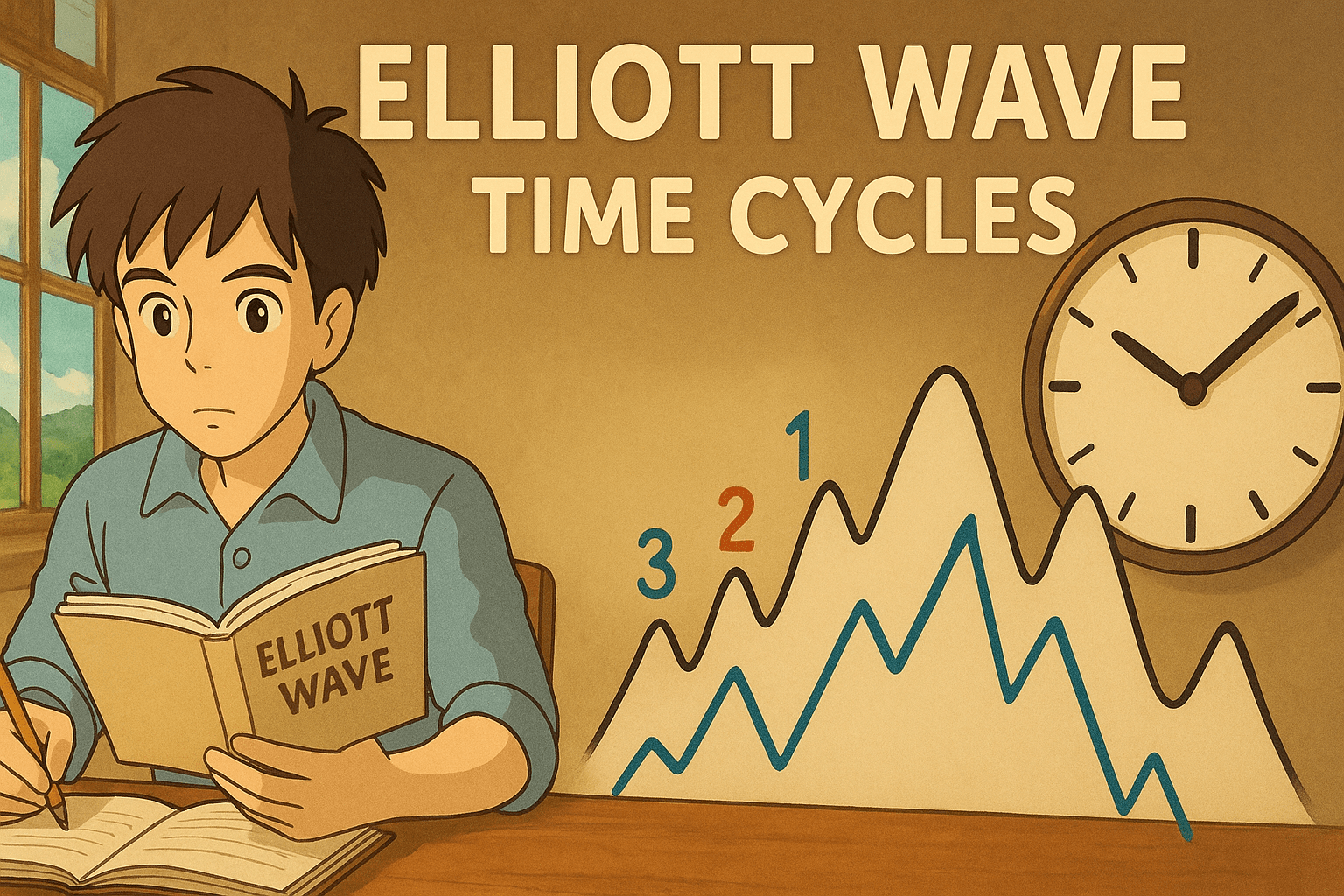
Every trader eventually bumps into Elliott Wave Theory, the idea that market price moves in repeating patterns tied to human psychology.
Neo Wave is, basically, an evolved version of that idea. It was refined by Glenn Neely to reduce guesswork and add structure to something that many traders found too fuzzy.
Neo Wave isn’t some mystical secret.
It’s an attempt to make wave analysis more:
- Logical
- Objective
- Consistent
It adds rules that answer questions traders always ask: Where do I enter? Where do I exit? How long can a wave last?
Instead of guessing whether this is Wave 2 or Wave 4, Neo Wave tries to give clearer criteria.
Neo Wave Pattern
Before answering your question: “Does Neo Wave work?” It is important to explain the pattern first.
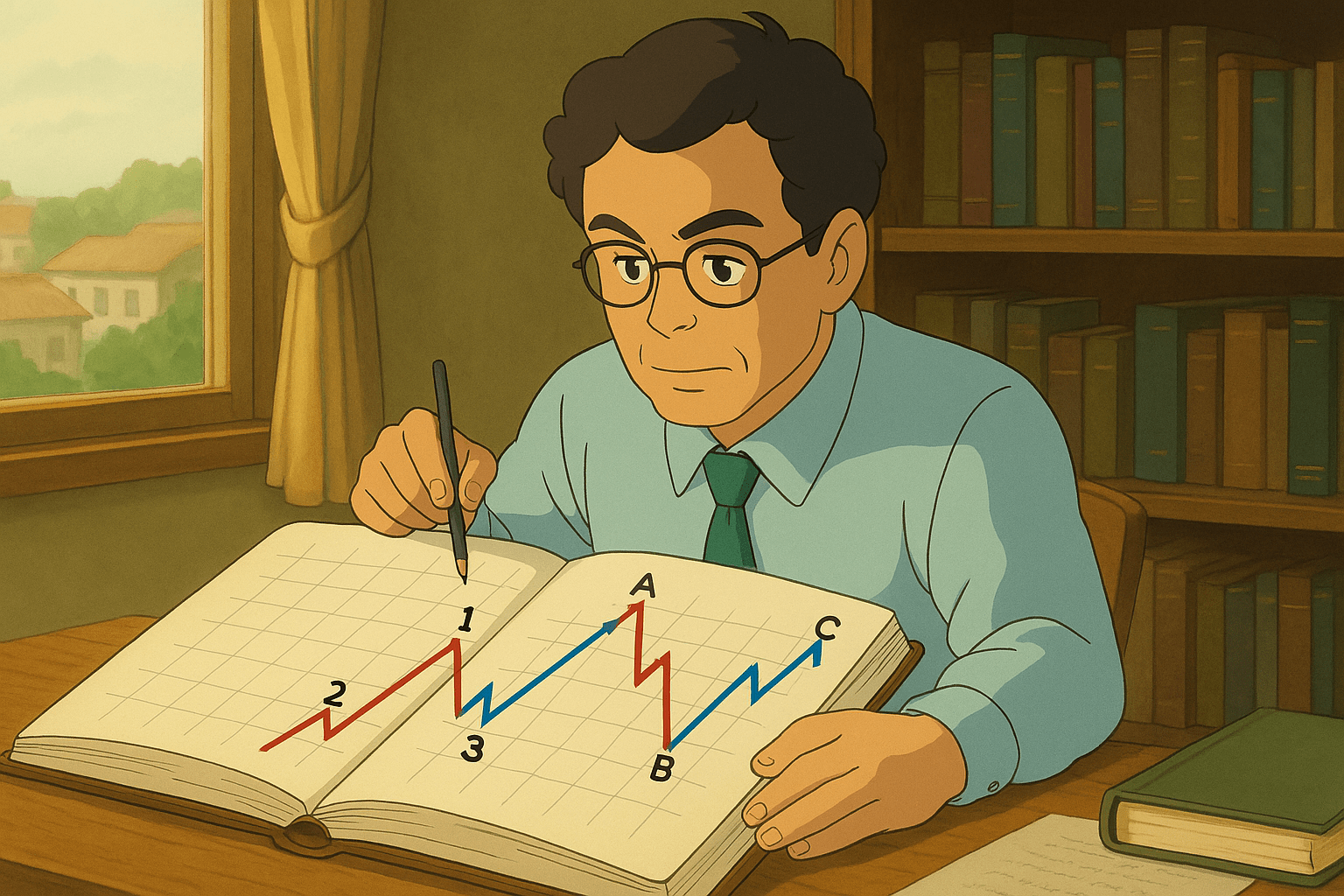
A Neo Wave pattern can be considered a patterned series of price movements.
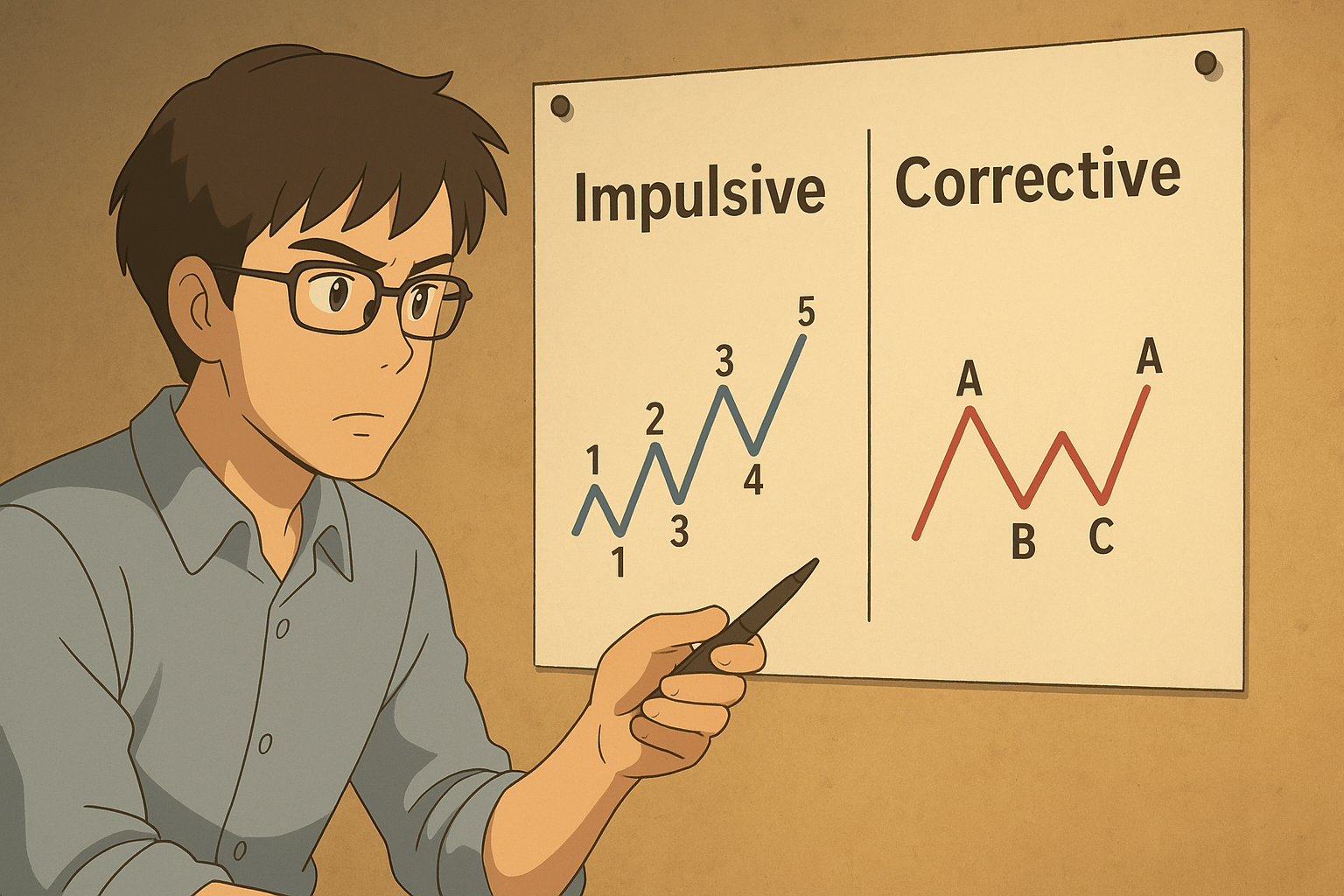
In standard Elliott Wave, you may find five up and three down waves, though in Neo Wave, it limits how long waves are allowed to be, how complicated they can be, and how they confirm one another.
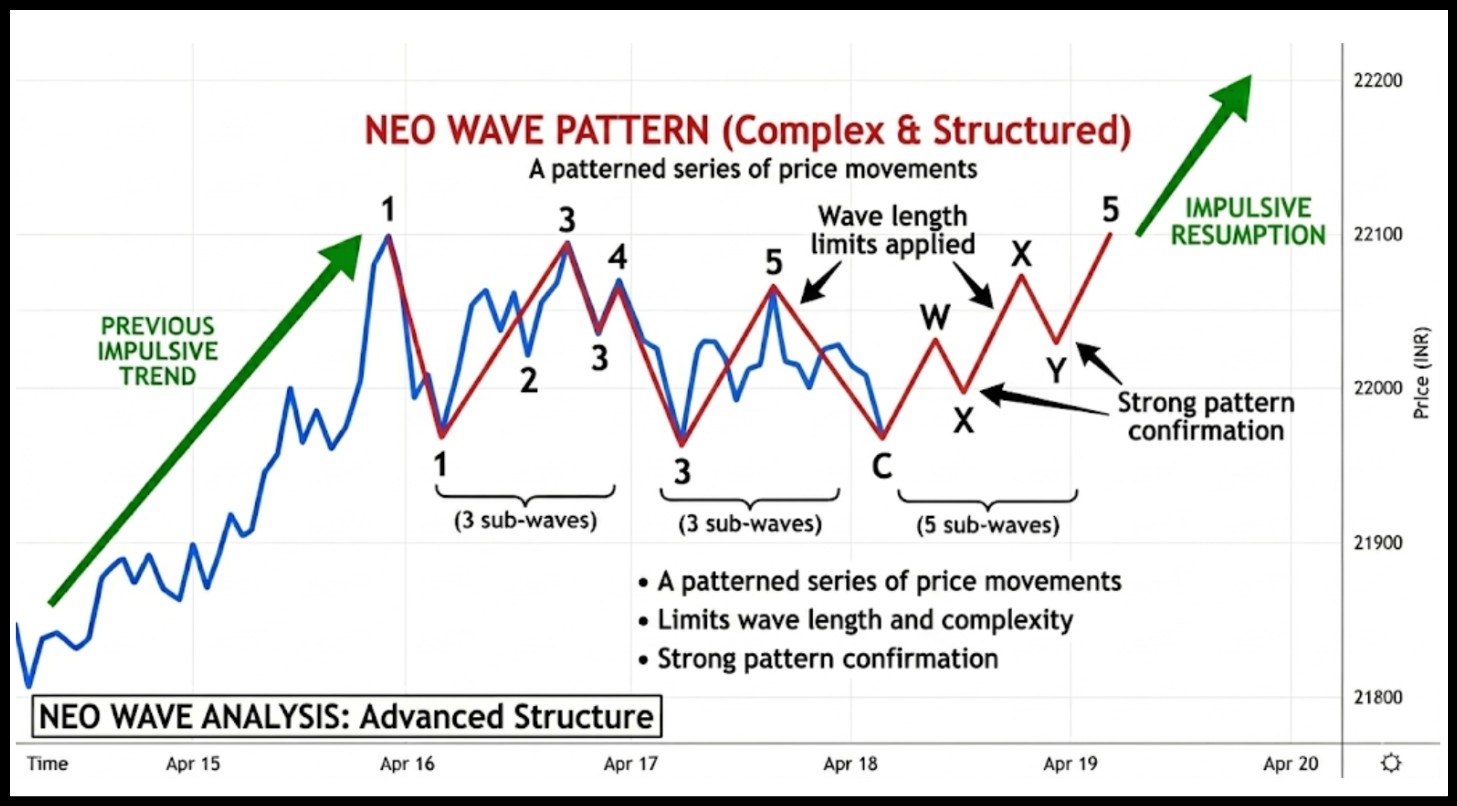
The chart above illustrates a typical Neo Wave pattern, showing a five-wave impulse wave pattern followed by a three-wave correction.
Notice how each wave respects defined length and time restrictions, as this is what separates a valid Neo Wave count from a loose Elliott Wave interpretation.
To help you understand the difference between a neo wave vs elliott wave comparison, a table has been given below.
|
Feature |
Classic Elliott Wave | Neo Wave |
| Subjectivity | High |
Lower |
|
Pattern Rules |
Fewer | Many more |
| Confirmation | Weak |
Strong |
|
Timing |
Flexible |
More precise |
In practice, this means you’re less likely to have multiple conflicting counts and more likely to work with truly defined patterns.
Neo Wave Indicator
Some traders use indicator scripts on platforms like TradingView.
These scripts try to draw Neo Wave or wave-based structures automatically, plotting highs and lows in line with Neo Wave rules.
But be clear:
- Indicators can show you structure, not certainty.
- They aren’t magic signals that guarantee profit.
- They’re useful when price action actually exhibits clean, wave-like movements.
You still need price confirmation, stop management, and risk rules. Blindly following a Neo Wave indicator without considering market context is risky.
Does Neo Wave Work In Real Trading Scenarios?
Let’s understand how the neo wave works in real trading scenarios through a chart example.
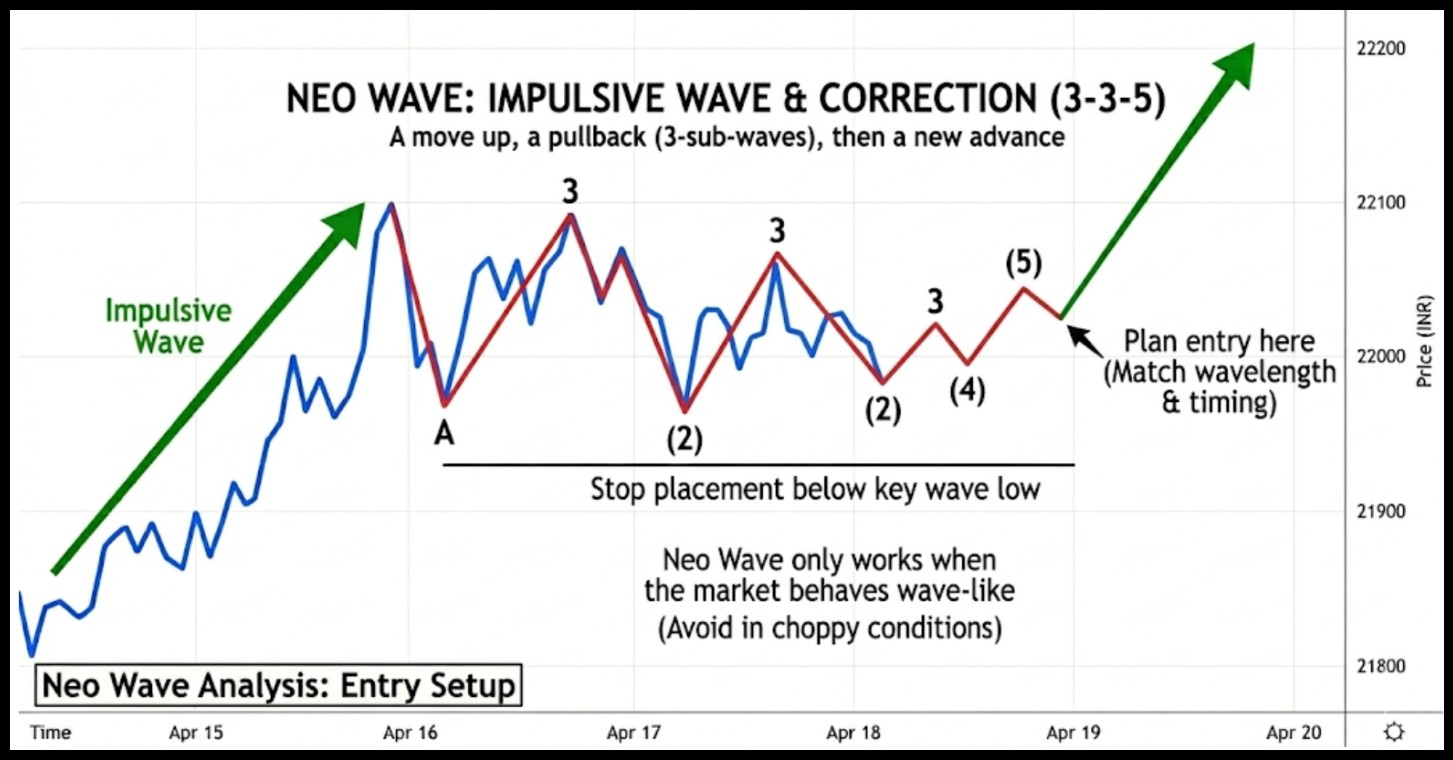
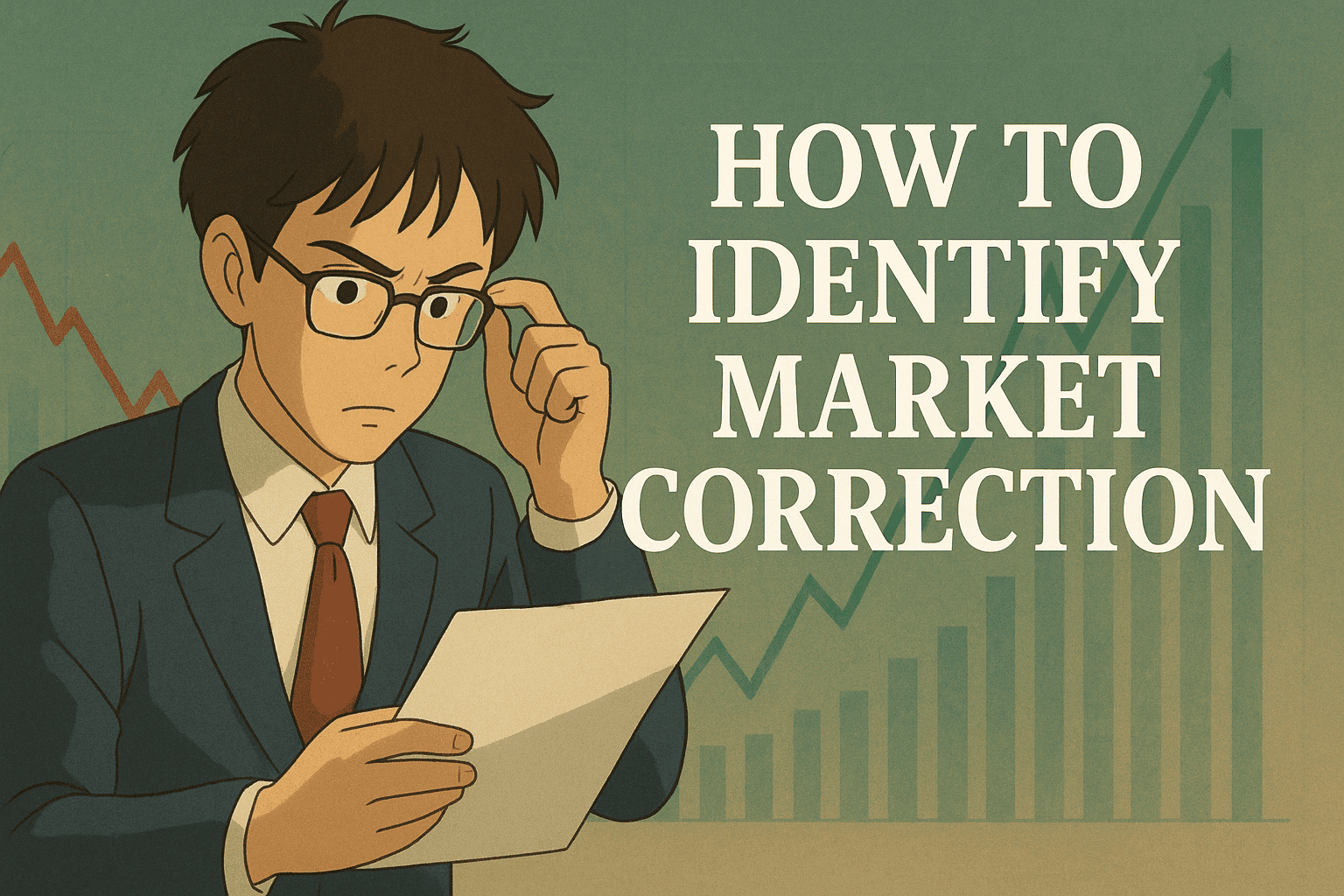
Look at the above chart, which shows:
- A move up that looks like an impulsive wave, then
- A pullback, and then
- A new advance resumes.
If the wavelength and timing match Neo Wave criteria, you might plan an entry around that second wave ending.
A stop could go just below a key wave low. Position size is based on your risk tolerance.
But here’s the catch: Neo Wave only works when the market is behaving wave-like. In choppy or erratic conditions, there may not be a reliable pattern at all.
Neo Wave Chart Example
Now, let us understand the structure of Neo Waves through this Bank Nifty example:
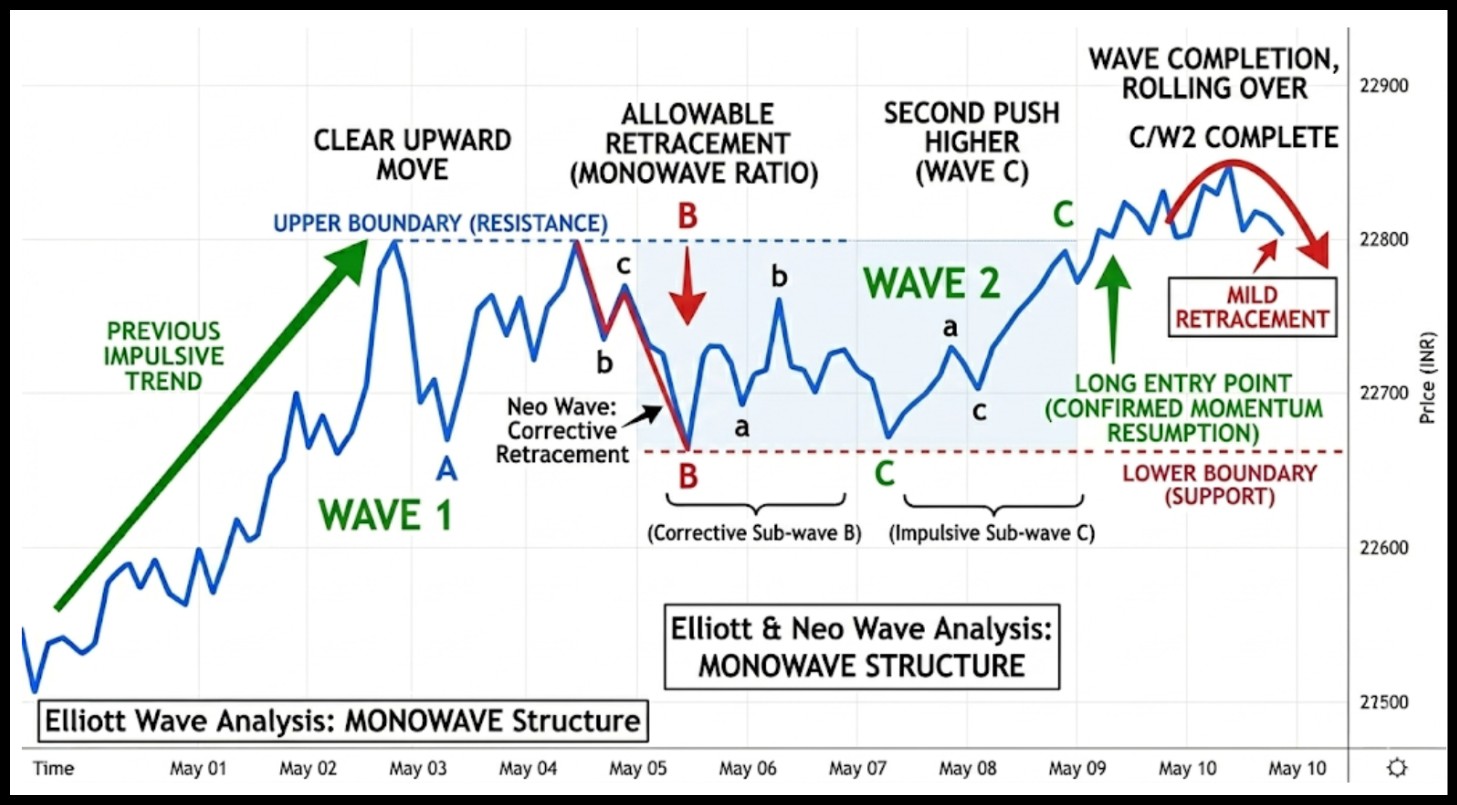
Take a look at Bank Nifty over 10 days:
- Day 1 to 4: Clear upward move.
- Day 5: Retracement that fits allowable monowave ratios.
- Day 6 to 9: Another push higher.
- Day 10: Price starts rolling over.
In a Neo Wave view, if the retracement on Day 5 is within allowable limits relative to the initial rise, you could call that corrective and plan to enter long when momentum resumes.
Your target could be defined by the length of the previous impulsive wave. But if that retracement breaks pattern rules, the count might be invalid.
This is not a prediction; it’s pattern confirmation. It’s about whether the pattern fits, not if you expect the price to go up just because you want it.
Practical Risks And Limits
Let’s get honest: No method works 100 percent of the time. Neo Wave is no exception.
Here’s what traders often face:
- Pattern identification takes skill
- Not every market forms clean waves
- Neo wave rules can be hard to apply in real time
- Structural rules may change with volatility shifts
Many traders fall into the “chart astrology” trap, adjusting patterns to fit price instead of letting price dictate the pattern. This is a common criticism of wave systems in general.
When Does Neo Wave Work The Best?
Neo Wave tends to perform better in markets that show clear, structured behavior rather than random fluctuations. It works most effectively when:
- Trending Phases Are Clear: When the market has a defined upward or downward trend, Neo Wave patterns are easier to identify and apply.
- Bigger Swings Separate Moves: Distinct impulsive and corrective waves make pattern recognition more reliable.
- Lower Noise and Clear Impulse vs Correction: Markets with less choppiness allow the waves to form cleanly, reducing false signals.
Additionally, Neo Wave incorporates advanced concepts that help refine trading decisions:
- The Time Dimension: Neo Wave combines price and time, meaning patterns aren’t just about the magnitude of moves but also how long each wave lasts. This allows traders to anticipate likely turning points more accurately.
- Time cycles: Neo Wave uses specific time rules that govern the duration ratios between individual waves. This means each corrective or impulsive wave must fall within a defined time relationship to the wave before it. This is not generic cycle timing; it is a structural rule that helps confirm whether a pattern is valid or should be dismissed.
- The Restriction Rules: Neo Wave places certain restrictions on the extent to which a correctional wave can withdraw in relation to the previous impulsive wave. This eliminates the false understanding that the minor pullback is a trend reversal.
- Fibonacci Ratios In Neo Wave: Neo Wave is similar to Elliott Wave (which also uses Fibonacci relationships to measure the wave lengths), except that it has more rigorous rules that the pattern identification should be checked mathematically.
These signals tend to fail in very volatile or illiquid markets. Patterns can be too unpredictable to be relied upon by traders, and using a mix of all the technical filters and risk management options is vital.
How Traders Blend Neo Wave With Other Tools?
Successful chartists rarely rely on any single method. Neo Wave often gets paired with:
- Volume confirmation
- Support and resistance levels
- Trend filters like moving averages
- Momentum indicators like RSI
This blend lets you verify a wave signal before risking capital.
Final Thoughts
So, does the Neo Wave Work?
The short answer: yes, but only when you respect all the rules, not just the convenient ones.
Neo Wave isn’t a signal generator; it’s a structured framework. Traders who skip time rules or ignore structure labels get inconsistent results and blame the system. The system isn’t flawed; the application is.
It works well on daily and weekly timeframes across Nifty 50, S&P 500, and forex pairs. On intraday charts, noise reduces its reliability significantly.
Bottom line: treat it as a discipline tool, not a shortcut, and it delivers.
Ready to master tools like Neo Wave? Join our stock market classes and trade with confidence!
FAQs
Q1: Can Neo Wave predict exact price targets?
Ans: Neo Wave gives a structured range based on pattern and time, but it doesn’t “predict” price with certainty.
Q2: Is Neo Wave easier than Elliott Wave?
Ans: It’s actually more detailed and stricter, so learning it may take longer, but the clarity can be higher.
Q3: Do professional traders use Neo Wave?
Ans: Some do, especially those who trust structured wave analysis, but many professionals combine it with other tools.
Before investing capital, invest your time in learning Stock Market.
Fill in the basic details below and a callback will be arranged for more information: